Soccer Player Partners With Company on AI Likeness Rights
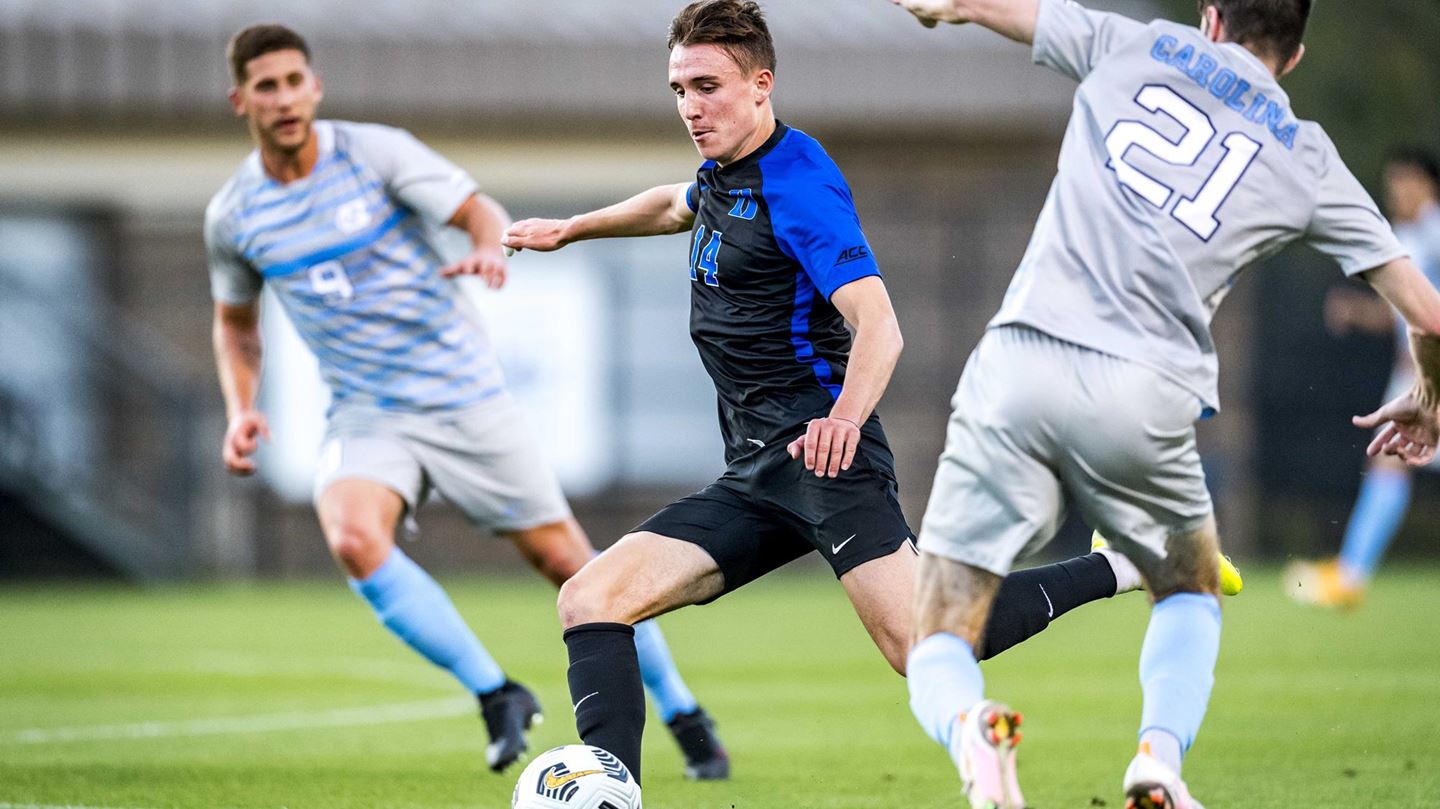
Soccer player Cristian Volpato has entered into an agreement with sports artificial intelligence company Callandor concerning the use of his likeness, voice, biometric information and other elements of his digital identity in AI-generated content.
Under the agreement, the Italian-Australian player will use Callandor’s AI Rights Registry to document consent, permissions, licensing terms and authorized uses of his identity. The company refers to the collection of those attributes, including likeness, voice, biometric profiles and performance data, as an athlete’s “Digital DNA.”
The agreement comes as generative AI raises new legal and commercial questions for athletes, agents, teams and leagues concerning the creation and use of digital replicas.
Traditional endorsement and licensing agreements generally address photographs, video footage, names, signatures and other established forms of intellectual property and publicity rights. AI technology introduces additional questions about whether an athlete’s identity can be digitally reproduced, who can authorize that reproduction and what compensation may be required.
Callandor says its registry is designed to document an athlete’s authorization for particular AI applications. However, registration in a private system does not necessarily prevent unauthorized third parties from creating or distributing synthetic content, nor does it independently establish or expand an athlete’s legal rights.
As part of the announcement, Callandor and Volpato released an AI-generated video demonstrating a digital representation of the player. The company has suggested that similar technology could be used in advertising campaigns involving multiple languages or markets.
Such applications could allow advertisers to produce content featuring athletes without requiring their physical participation in every recording. However, the use of digital replicas also raises questions about the scope of consent, contractual restrictions and responsibility for content generated using an athlete’s identity.
Unauthorized AI-generated content has become a concern across sports and entertainment. Deepfake technology can reproduce recognizable faces and voices, creating potential legal issues involving false endorsements, fraud, reputational harm and the unauthorized use of personal information.
Existing legal protections vary by jurisdiction. State right-of-publicity laws, privacy laws, contract provisions and other legal doctrines may apply depending on how an athlete’s identity is reproduced and used. The extent to which these protections address AI-generated content remains an evolving area of law.
For athletes and their representatives, the development of AI-generated likenesses may require more specific provisions in endorsement, sponsorship and licensing agreements.
Contracts may need to address whether an athlete’s image or voice can be digitally replicated, modified, translated or combined with synthetic speech. Additional considerations include the duration of authorization, permitted commercial uses, compensation, approval rights, sublicensing and procedures for withdrawing consent.
The distinction between authorizing a particular use and granting broader rights to generate future content may be especially important. An agreement permitting a sponsor to use an athlete’s photograph, for example, does not necessarily resolve whether that sponsor may create an AI-generated video in which the athlete appears to endorse a product or make statements never actually recorded.
Volpato’s agreement with Callandor illustrates one approach to documenting consent and licensing permissions for AI-generated representations. Whether private registries become widely adopted or provide effective protection against unauthorized uses remains to be seen.
As AI-generated content becomes more prevalent, determining the scope and enforceability of an athlete’s consent is likely to become an increasingly important issue in sports law and commercial licensing.